Crafting Joyful Branding with Happy Wedding Lettering
There is a specific moment in a design project where the typography needs to do more than just inform—it needs to feel like a celebration. Whether you are a graphic designer finalizing an invitation suite or a small business owner creating packaging for a new product, the visual "voice" of your text sets the entire mood. If you have been searching for a typeface that balances elegance with a personal touch, the Happy Wedding Lettering font family offers a distinct solution. It captures the fluidity of hand-drawn calligraphy while maintaining the structural integrity required for professional branding and editorial design.
This typeface is not just for weddings, despite its name. It is a versatile tool for anyone looking to inject warmth, sophistication, and a human element into their visual communication. In a digital landscape often dominated by cold, geometric sans-serif fonts, using a premium script font can help a brand stand out. It bridges the gap between formal luxury and approachable charm, making it a valuable asset in your library of design assets.
The Visual Personality: More Than Just Script
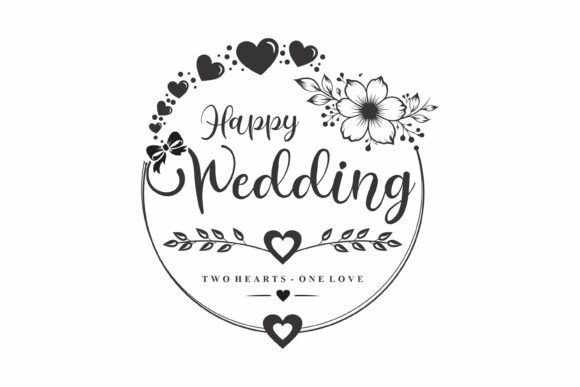
At its core, Happy Wedding Lettering is a display font characterized by its flowing connections and rhythmic baselines. However, what sets it apart from generic script fonts is its attention to detail. The letterforms often feature subtle swashes and ligatures that mimic the natural pressure variations of a pointed pen. This creates a texture that feels organic rather than digitized.
When evaluating a creative font like this, it is crucial to look at how it handles spacing and kerning. A common pitfall with handwritten fonts is poor readability at smaller sizes or awkward spacing between specific letter pairs. Happy Wedding Lettering is designed to handle these nuances, ensuring that words flow together seamlessly. This makes it particularly effective for headlines where the aesthetic impact is immediate. It strikes a balance between the decorative nature of a serif font and the fluidity of a cursive typeface, allowing it to carry significant weight in a layout without overwhelming the viewer.
Practical Applications for Modern Creators
The utility of a font is defined by where it can be applied. For the modern creative entrepreneur, versatility is key. Here is how you can integrate this typeface into various aspects of your workflow to enhance your brand identity and marketing assets:
- Logo Design and Brand Identity: A logo needs to be memorable. Using Happy Wedding Lettering for a wordmark can instantly communicate a brand's personality. It works exceptionally well for lifestyle brands, boutique agencies, bakeries, or any business that wants to project an image of care and craftsmanship. The font acts as a visual handshake—warm and inviting.
- Packaging Design: In the retail space, packaging is your silent salesperson. If you are designing labels for artisanal goods, cosmetics, or gourmet foods, a handwritten font adds a layer of perceived value. It suggests that a real person was involved in the creation of the product, which resonates deeply with consumers looking for authenticity.
- Social Media Graphics: Attention spans are short on platforms like Instagram and Pinterest. A bold, elegant script font can stop the scroll. It is perfect for quote graphics, announcement posts, or sale banners. The fluidity of the letters adds movement to static images, making your content feel more dynamic.
- Invitations and Print Materials: While this seems obvious for the wedding industry, think broader. This font is ideal for gala invitations, charity events, high-end menus, or even holiday cards. Its readability in print, where resolution is high, allows for beautiful large-scale typography on posters and flyers.
- Web Design and Blogs: On a website, typography guides the user's eye. Using this font for H1 headers or pull quotes can break up the monotony of standard body text. It adds a stylistic flair to editorial layouts, making blog posts feel more like curated magazines than simple text documents.
Technical Flexibility: The Power of INCL Files
One of the standout features of this release is the inclusion of multiple file formats: EPS, AI, and CDR. For designers, this is a significant advantage. While standard font files (like .OTF or .TTF) are installed on your system, vector files offer a different kind of utility.
Having the Happy Wedding Lettering available as EPS (Encapsulated PostScript), AI (Adobe Illustrator), and CDR (CorelDRAW) means you have access to the raw vector paths. This is incredibly useful for:
- Custom Modifications: You can manipulate the anchor points to customize specific letters. Perhaps you want to extend a swash to connect with an illustration, or modify a tail to fit a specific container. Vector files allow for this level of granular control.
- Software Compatibility: Not everyone uses the same ecosystem. By providing AI and CDR files, this asset caters to both Adobe users and CorelDRAW enthusiasts, ensuring that the typography is accessible regardless of your preferred vector editing software.
- Large Format Printing: When scaling typography for massive posters or signage, vector formats ensure that the edges remain perfectly crisp. There is no pixelation, regardless of how large you print the design.
This combination of a usable typeface file and editable vector graphics makes it a comprehensive design asset. It moves beyond simple typesetting and enters the realm of custom illustration, giving you the freedom to make the lettering truly your own.
Mastering Font Pairings and Hierarchy
A great display font rarely works in isolation. To achieve professional presentation and visual consistency, you must consider how Happy Wedding Lettering interacts with other typefaces. Because this font has a distinct personality—a decorative, modern script—it requires a partner that plays a supporting role rather than competing for attention.
The golden rule of font pairing is contrast. Since Happy Wedding Lettering is a high-detail, flowing script, it pairs best with clean, geometric sans-serif fonts or simple, sturdy serif fonts.
- With Sans-Serif: Pairing the script with a font like Montserrat, Lato, or Open Sans creates a modern, high-contrast look. The sans-serif provides the readability for body copy, while the script handles the headlines. This is a staple in modern web design and social media marketing.
- With Serif: For a more traditional or editorial feel, combine the script with a transitional serif like Garamond or a slab serif like Roboto Slab. This works well for print materials, book covers, or branding that aims for a timeless, established aesthetic.
When using the font, pay attention to sizing. Display fonts are designed to be read at larger sizes. If you try to force Happy Wedding Lettering into a 10pt caption, the details will muddy, and readability will suffer. Keep it big, keep it bold, and let the negative space around it breathe.
Licensing and Commercial Use
For small business owners and entrepreneurs, the legal aspect of design assets is just as important as the aesthetic one. When you download a font for a project, you must ensure you have the correct license for your intended use.
Most premium fonts come with a license that covers specific commercial applications. If you are using Happy Wedding Lettering for a client's logo, a product you intend to sell (like t-shirts or mugs), or marketing materials for a business, you generally need a commercial license. Always review the specific terms provided with the download. This ensures that your brand identity is built on a solid legal foundation, preventing potential issues down the road as your business grows.
Elevating Your Visual Narrative
Ultimately, the tools we choose tell a story. Selecting a typeface like Happy Wedding Lettering is a decision to prioritize warmth, elegance, and human connection in your visual communication. It is a versatile asset that adapts to the needs of a digital marketer creating ads just as well as it serves a crafter designing a personalized gift. By leveraging its vector capabilities and pairing it thoughtfully with complementary typefaces, you can transform a standard layout into a memorable visual experience. Whether you are refreshing a logo or launching a new product line, this lettering style provides the perfect blend of professional polish and personal touch.