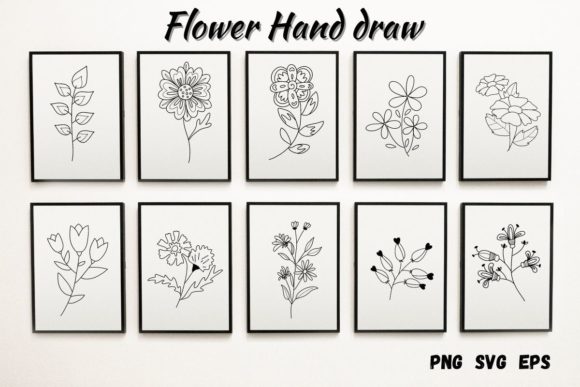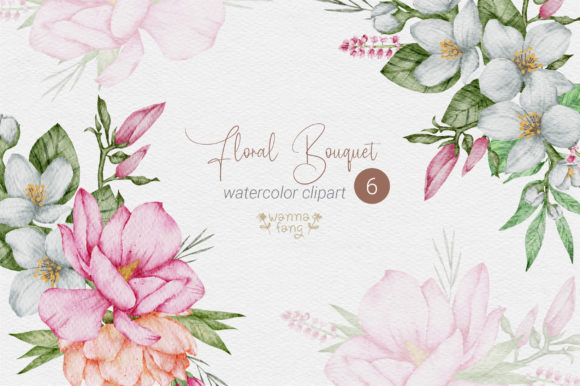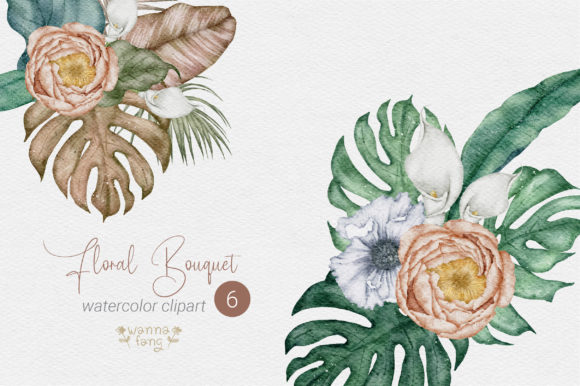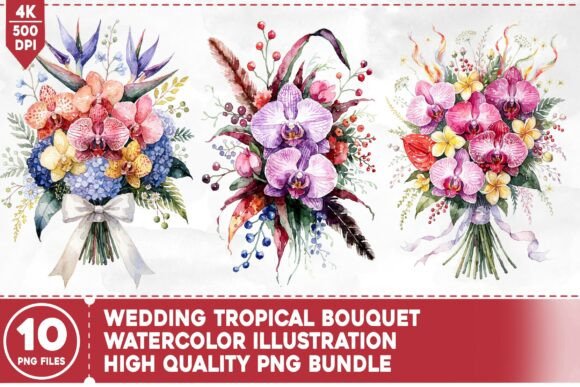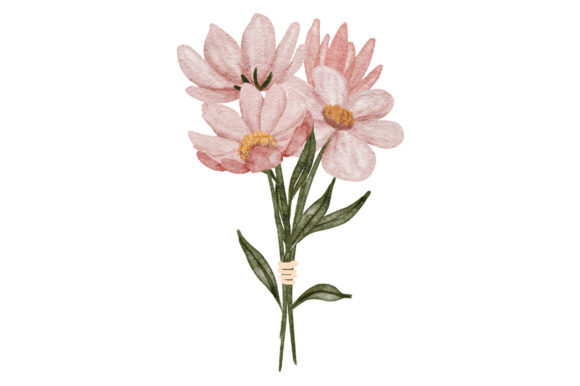
Watercolor Flower Hand Bouquet Wedding: A Designer's Floral Toolkit
There's a particular kind of magic in watercolor florals. They feel both timeless and fresh, carrying the organic softness of hand-painted petals while maintaining a crispness that works beautifully in modern design. If you've been searching for that perfect blend of artistic warmth and professional polish, the Watercolor Flower Hand Bouquet Wedding collection might be exactly what your next project needs. This isn't just another set of generic clipart—it's a carefully curated suite of high-resolution elements designed to bring authentic, painterly elegance to a wide range of creative work.
What Makes These Floral Elements Stand Out
At its core, this collection delivers individual floral components—think roses, peonies, greenery, berries, and delicate filler blooms—in both JPG and PNG formats. The PNG files come with transparent backgrounds, which is a game-changer for layering and compositing in design software like Photoshop, Illustrator, or Canva. Each file measures 2000 pixels by 2000 pixels, giving you enough resolution to work confidently across both digital and print projects without worrying about pixelation or quality loss.
The watercolor style itself is what sets these apart from flat vector florals or overly saturated stock imagery. There's a natural variation in tone, a soft bleed at the edges of each petal, and a sense of depth that mimics real paint on paper. This aesthetic resonates strongly with audiences who value authenticity, craftsmanship, and a touch of handmade charm. Whether you're designing for a boutique wedding brand, a lifestyle blog, or a product label, these elements communicate care and artistry without feeling stuffy or outdated.
Practical Applications Across Creative Projects
The versatility of a well-made floral asset library is something experienced designers appreciate deeply. Here's where a collection like this truly earns its place in your toolkit:
- Wedding Invitations and Stationery: This is the most intuitive use, and for good reason. Watercolor florals pair beautifully with script fonts and elegant serif typefaces to create invitations, save-the-dates, and RSVP cards that feel personal and luxurious. Layer a few bouquet elements around your typography for a composed, editorial look.
- Brand Identity and Logo Design: For businesses in the wedding industry, floral retail, beauty, wellness, or lifestyle spaces, incorporating watercolor elements into a logo or brand mark can instantly convey warmth and approachability. Use a single bloom as an accent or build a full floral wreath around a wordmark.
- Packaging Design: Think about artisan candles, handmade soaps, tea brands, or bakery labels. A soft floral illustration on packaging signals quality and attention to detail. The high resolution of these files means they translate beautifully onto boxes, sleeves, and tags.
- Social Media Graphics: Instagram posts, Pinterest pins, Facebook headers, and story templates all benefit from eye-catching visual elements. A watercolor bouquet framing a quote or announcement adds instant visual interest and helps stop the scroll.
- Website and Blog Design: Use these florals as hero image accents, section dividers, or background textures. They work especially well for lifestyle bloggers, wedding photographers, and anyone building a site that needs to feel inviting and visually rich.
- Print Materials: Posters, flyers, brochures, and business cards all benefit from the tactile quality watercolor imagery brings. At 2000x2000 pixels, these elements hold up well in print at standard sizes.
- Merchandise and Digital Products: From tote bags and mugs to digital planners and printable wall art, watercolor florals have broad commercial appeal. They're especially popular in the Etsy and Creative Market ecosystems.
- Editorial Layouts: Magazine spreads, lookbooks, and catalog designs gain a refined, curated feel when watercolor elements are incorporated thoughtfully alongside clean typography.
Pairing Typography with Watercolor Florals
Choosing the right typeface to accompany watercolor elements is where many designers either elevate a project or let it fall flat. The key is contrast and balance. Watercolor florals are inherently organic and slightly unpredictable in their edges and shading. Pairing them with a highly structured sans serif font creates a modern, clean tension that feels intentional. Think of a geometric sans like Montserrat or Futura sitting alongside a lush peony arrangement—the contrast makes both elements stronger.
On the other hand, if the project calls for a more romantic or traditional mood, a classic serif font like Playfair Display or a flowing script font can harmonize beautifully with the painterly quality of the florals. The trick here is to avoid overdoing it. If both the typography and the florals are competing for attention with equal levels of flourish, the design can feel cluttered. Let one element lead and the other support.
For small business owners and content creators who aren't full-time designers, a practical approach is to limit your palette. Choose one or two floral elements and one or two typefaces. Build your layout around those anchor points. Consistency across your materials—whether it's a social media post, a product label, or a website banner—builds brand recognition far more effectively than constantly switching styles.
Resolution, Format, and File Considerations
Having both JPG and PNG versions of each element gives you flexibility depending on your workflow. PNG files with transparent backgrounds are essential for compositing. If you're working in Canva, for example, you can upload the PNG directly and drag it onto your canvas without worrying about removing a white background. In Photoshop, transparent PNGs layer cleanly over other elements, textures, or colored backgrounds.
The 2000x2000 pixel resolution is a practical sweet spot. It's large enough for most print applications at standard sizes—think A5 invitations, letter-sized posters, or product labels—while remaining manageable in file size for web and digital use. If you're creating social media graphics, you'll likely scale these down, which only sharpens the detail. For larger format printing, you may need to work with the elements at their native size or explore upscaling tools, but for the vast majority of use cases, this resolution delivers excellent results.
Building a Cohesive Visual Language
One of the most valuable aspects of working with a curated floral collection rather than sourcing individual images from random places is consistency. When all the elements share the same watercolor style, color palette, and level of detail, they naturally compose well together. This makes it significantly easier to build a cohesive visual identity across multiple touchpoints.
Imagine you're launching a small business selling handmade candles. You use a watercolor rose arrangement on your product labels, a coordinating greenery sprig on your thank-you cards, and a full bouquet composition on your website's homepage banner. Because all the elements come from the same stylistic family, your brand looks unified and intentional—even if you're assembling everything yourself in a simple design tool.
This consistency extends to audience perception. When your visual materials feel harmonious, potential customers subconsciously register your brand as more professional and trustworthy. That's the real power of good design assets—they do heavy lifting in the background while your product or message takes center stage.
A Few Final Thoughts on Getting the Most from Your Assets
Before you start placing florals into every project, take a moment to consider the mood you're trying to create. Watercolor elements evoke specific emotions—softness, romance, nature, nostalgia, femininity, elegance. They're incredibly effective for certain audiences and industries but may feel out of place in contexts that call for bold, industrial, or hyper-modern aesthetics. Knowing when not to use an asset is just as important as knowing how.
Also, pay attention to color. If the florals in the collection lean toward muted pastels, they'll pair best with soft, neutral backgrounds and understated typography. If there are deeper, richer tones available, those can anchor bolder layouts. Don't be afraid to adjust the hue or saturation slightly in your editing software to match your specific brand colors—just do so subtly to preserve the natural watercolor quality.
Ultimately, a resource like the Watercolor Flower Hand Bouquet Wedding collection is a starting point. The real creative work happens in how you compose, pair, and contextualize these elements within your unique projects. Whether you're a seasoned designer building out a client's brand identity or a small business owner crafting your first set of marketing materials, having high-quality, versatile assets on hand saves time, reduces frustration, and raises the overall standard of your visual output.