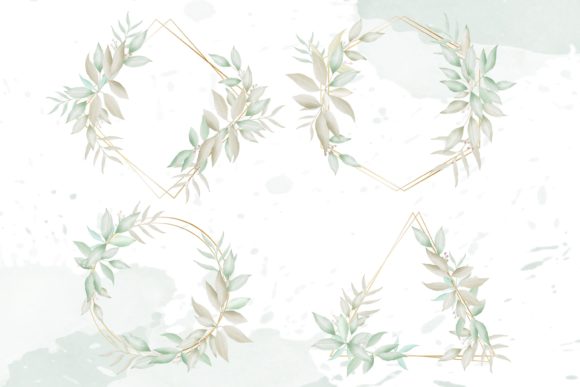
Designing Elegant Invitations with Foliage Frames
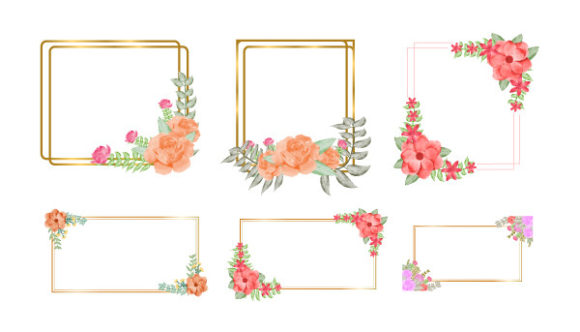
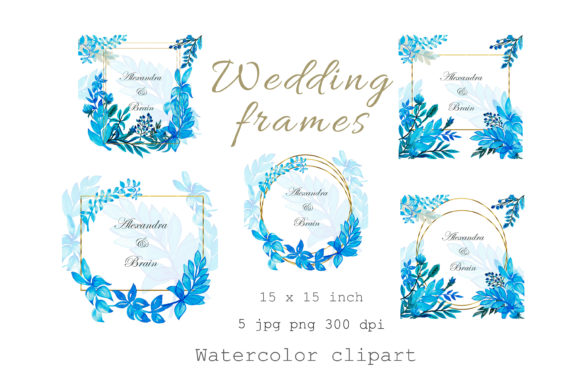
There’s a certain magic that happens when nature meets design. Lush, green leaves and delicate botanical motifs have a timeless appeal that can instantly elevate a project, especially something as personal as a wedding invitation. If you've been searching for a way to bring that organic, sophisticated feel to your designs, exploring high-quality foliage frames and greenery collections is a fantastic starting point. These design assets offer more than just pretty borders; they provide a foundation for creating cohesive, memorable, and deeply personal stationery.
The Allure of Botanical Elements in Modern Design
Why do foliage frames and greenery floral collections work so well? They tap into a desire for authenticity and connection to the natural world. Unlike stark geometric patterns, botanical elements feel warm, inviting, and inherently romantic. They can evoke a sense of a garden party, a woodland ceremony, or a coastal celebration, setting the tone for your event before a single word of the invitation is read. The visual language of leaves, ferns, and vines is universally understood and appreciated, making it a safe yet striking choice for a wide range of wedding themes, from rustic bohemian to classic formal.
For a designer or a small business owner creating custom invitations, having a versatile toolkit is essential. A well-curated foliage frame collection acts like a designer's secret weapon. It provides ready-made, professionally crafted elements that can be mixed, matched, and customized. This saves immense time compared to drawing each element from scratch, allowing you to focus on layout, typography, and the client's specific story. The key is finding assets that are both beautiful and practical—easy to edit, scalable, and provided in formats that work seamlessly with your preferred software.
Practical Applications Beyond the Wedding Suite
While the primary use case is clear, the utility of these greenery frames extends far beyond wedding invitations. Think of them as a core component of a larger brand identity or a versatile design library. A floral frame used on an invitation can be subtly adapted for other touchpoints, creating a seamless experience for guests and a strong visual identity for the event.
Here’s how you might integrate these elements into a broader project:
- Branding & Logo Design: A delicate foliage frame can become a foundational element for a lifestyle brand, a florist, a boutique hotel, or an artisanal product line. It can encircle a logotype, be used as a secondary mark, or inspire patterns for other brand assets.
- Packaging Design: Imagine these frames wrapping around a candle box, a soap label, or a gourmet food package. They instantly communicate a natural, premium, and handcrafted quality.
- Social Media & Digital Presence: Use the frames to create consistent, on-brand Instagram posts, story templates, Pinterest graphics, or website banners. They add a professional polish to digital content that can significantly boost engagement.
- Print Materials & Merchandise: From thank you cards and menu designs to tote bags and notebook covers, these botanical motifs translate beautifully to physical products, adding a touch of elegance.
The real value lies in visual consistency. When the same family of botanical elements appears across your invitation suite, website, social media, and day-of signage, it tells a cohesive story. This strengthens brand recognition and makes the entire aesthetic feel intentional and professionally executed.
Working with Editable and Customizable Design Assets
Not all design assets are created equal. For a project as important as a wedding invitation, you need files that offer true creative control. Look for collections that provide editable and customizable text and color. This means you can change the wording to match the couple's names and event details, and you can adjust the color palette of the foliage itself to suit different seasons or themes—perhaps a deep emerald for a winter wedding or a soft sage for a spring affair.
Compatibility is another crucial factor. Ensuring the files work with your version of Adobe Illustrator (2018 or later is a common professional standard) prevents frustrating technical hiccups. The inclusion of both vector formats (like AI and EPS) and raster formats (like JPG) is ideal. Vector files are infinitely scalable, meaning you can enlarge a frame for a poster without losing quality, while JPGs are perfect for quick digital use or as reference images.
Another practical tip: pay attention to the bleed area in printable templates. This is the extra margin around the design that ensures your final printed piece has no unprinted edges after trimming. Including this in the template shows a professional understanding of the print production process, saving you a step and preventing costly mistakes.
Making It Your Own: Tips for Effective Implementation
Simply dropping a beautiful frame onto a blank canvas isn't enough. The magic happens in the integration. Here’s some practical advice for using these assets effectively:
Typography Pairing is Everything. A lush, ornate foliage frame calls for a typeface that can hold its own without competing. A clean, elegant serif font often works beautifully for formal invitations, offering readability and classic sophistication. A flowing script font can add a personal, handwritten touch for names or headers, but use it sparingly for body text to maintain legibility. Experiment with pairings—a strong sans-serif for details can provide a modern counterpoint to the organic frame.
Consider the Composition. Don't just center the frame and place text inside. Play with asymmetry. Maybe have a cluster of foliage in the top left corner with text aligned to the right. Use the frame to create a visual hierarchy, perhaps placing the couple's names within the most intricate part of the design and the event details in a cleaner area.
Color with Purpose. While the default green is classic, think about how color can tell a story. Muted, dusty tones can create a vintage feel. Monochromatic schemes (using different shades of green) can be very sophisticated. You could also pull a single accent color from the flowers in the frame to use for text or other design elements.
Ultimately, the goal is to use the foliage frame as a supporting actor that enhances the star of the show: the meaningful information it contains. It should frame the content, not overwhelm it. By choosing high-quality, customizable assets and applying them with thoughtful design principles, you can create wedding invitations and related materials that feel both personally significant and professionally polished, leaving a lasting impression on everyone who receives them.